
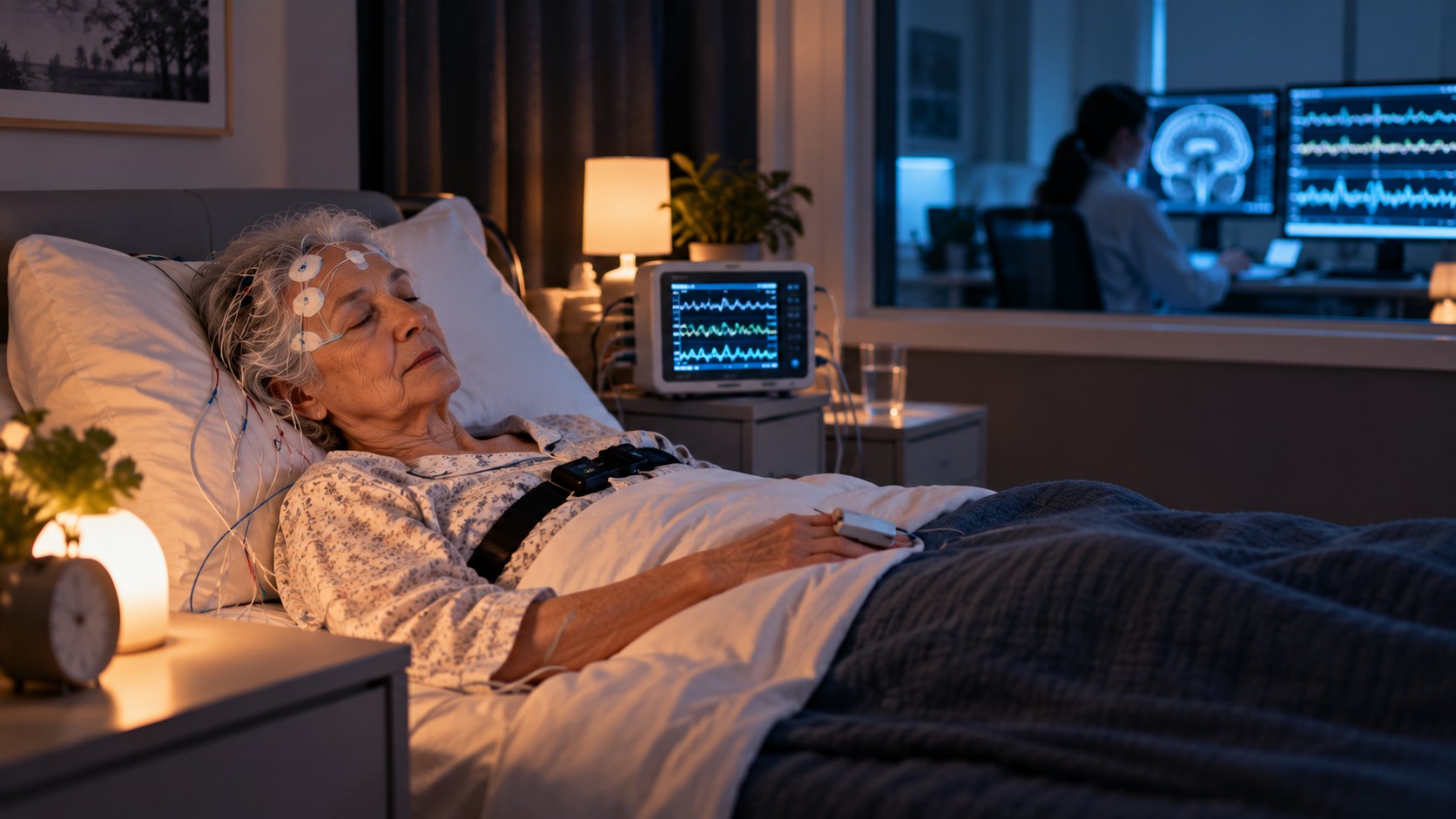
Sleep can become surprisingly complicated as neurological conditions progress. A person may spend enough hours in bed yet wake repeatedly, become active during the night, or feel unusually tired during the day. In Alzheimer’s, these changes are more than an inconvenience. They can influence daily functioning, mood, attention, and the way caregivers experience the condition.
For anyone being assessed for Alzheimer’s Disease cell therapy, sleep patterns can therefore provide useful clinical context. They do not determine whether a cellular approach is appropriate, nor do they predict its effectiveness, but they can help clinicians understand the person’s overall neurological and functional state.
Why Sleep Changes Matter in Alzheimer’s
More Than a Night-Time Problem
Sleep and neurological function are closely connected. Poor sleep can make concentration and memory difficulties more noticeable during the day, while changes in the brain associated with Alzheimer’s may themselves contribute to disrupted sleep patterns.
Some individuals experience fragmented sleep, excessive daytime sleepiness, difficulty falling asleep, or changes in the normal sleep-wake rhythm. Others may become more restless or confused later in the day.
These symptoms can overlap with other conditions, medication effects, pain, anxiety, or environmental factors. Consequently, sleep disturbances should be assessed rather than automatically attributed to Alzheimer’s Disease.
Daytime Function Can Reveal the Impact
The practical consequences of poor sleep may be easier for families to notice than the nighttime disturbance itself. A person may become less attentive, more irritable, slower to complete familiar activities, or less motivated to participate during the day.
Recording these changes can give clinicians a better understanding of how sleep interacts with cognition and everyday independence.
Sleep as Part of a Broader Patient Assessment
Looking Beyond Cognitive Scores
A neurological assessment should not focus exclusively on memory tests. Functional status, behavior, mood, medication use, physical health, and sleep can all contribute to the overall picture.
When people are considering cellular medicine, a broader assessment is particularly relevant. stemplus approaches regenerative and cellular medicine within a clinical and biotechnology environment where individual medical circumstances can be considered alongside the specific therapeutic strategy.
Sleep information can therefore become one element of the patient’s baseline rather than a separate issue unrelated to the treatment discussion.
Establishing a Useful Baseline
Before Alzheimer’s Disease cell therapy is considered, clinicians may benefit from knowing how a person normally sleeps. This can include bedtime and wake time, nighttime awakenings, daytime naps, unusual nighttime behavior, and changes in alertness during the day.
A sleep diary maintained by the patient or caregiver can sometimes reveal patterns that are difficult to recall accurately during a consultation.
The purpose is not to create an unnecessarily complicated record. Even simple observations over several days can provide useful context.
What Can Affect Sleep in Alzheimer’s?
Medication and Other Health Conditions
Sleep disruption may have multiple causes. Certain medications can affect alertness or sleep patterns, while pain, urinary symptoms, breathing problems, depression, anxiety, and other medical conditions may also interfere with rest.
This makes clinical interpretation important. Treating an underlying sleep problem may improve daytime functioning without changing the underlying neurodegenerative disease itself.
Changes in Circadian Rhythm
Some people with dementia experience alterations in their internal body clock. They may become sleepy earlier than usual, wake during the night, or become more active at unusual times.
Light exposure, daily activity, meal timing, and regular routines can influence sleep-wake patterns. These factors may therefore be relevant when clinicians evaluate a person’s overall condition.
Monitoring Sleep Around Cellular Treatment
Why Follow-Up Should Be Consistent
If sleep is part of the initial clinical assessment, maintaining similar observations afterward can make comparisons more meaningful. A change in sleep quality may coincide with changes in medication, daily routine, mood, or other health factors.
It should not automatically be interpreted as an effect of cellular treatment.
This is particularly important because Alzheimer’s Disease cell therapy remains an evolving area of medicine. Careful monitoring helps separate observations from assumptions and prevents ordinary fluctuations from being presented as evidence of therapeutic success or failure.
Caregivers Often Provide Essential Information
People with cognitive impairment may not remember nighttime events accurately. Family members or caregivers can therefore provide valuable observations about restlessness, waking, nighttime confusion, snoring, daytime sleepiness, or changes in routine.
Their perspective can complement formal neurological and cognitive assessments.
Improving the Quality of Clinical Information
Simple Tracking Can Be Valuable
A practical sleep record might include:
- approximate bedtime and wake time;
- number of noticeable nighttime awakenings;
- daytime naps;
- unusual nighttime activity;
- daytime alertness;
- major changes in routine or medication.
These observations are not diagnostic on their own, but they can help clinicians identify patterns worth investigating.
Keeping Sleep in Perspective
Sleep disturbances should neither be ignored nor treated as a direct measure of cellular treatment effectiveness. They are one part of a much larger clinical picture.
For people exploring Alzheimer’s Disease cell therapy, understanding sleep can help create a more complete baseline and reveal factors that may influence everyday cognitive and functional performance. Addressing sleep-related problems may also improve quality of life independently of any cellular intervention.
A careful assessment therefore treats sleep as meaningful clinical information—not as a standalone target or a promise of what cellular medicine can achieve. This broader approach allows changes in cognition, behavior, physical function, and daily wellbeing to be considered together as the patient’s care develops.